Diary /
Destinations
Date /
July 08, 2024

An ode to Istanbul from KAX Principal, Kyle Seltzer
From the moment one steps off the plane, you feel the current. Istanbul is a city that pulsates with a unique sense of life, a geographical intersection of east and west that is mirrored by the delicate balance of history and modernity. The city is alive, in a way, with the rhythm of millennia, of footsteps on stone, its veins coursing with the waters of the Bosphorus that run through the city center.
My red-eye flight abroad provided the perfect introduction to Turkey’s capital. It was dawn, as the call to prayer resonated its melodic sound through what felt like every minaret. It both settles and excites you, there is a certain sense of what is to come in that moment. The streets, starting to glow with a soft light, begin the stir; vendors were setting up their stalls, and the aroma of fresh bread and brewing coffee wafted through the air.
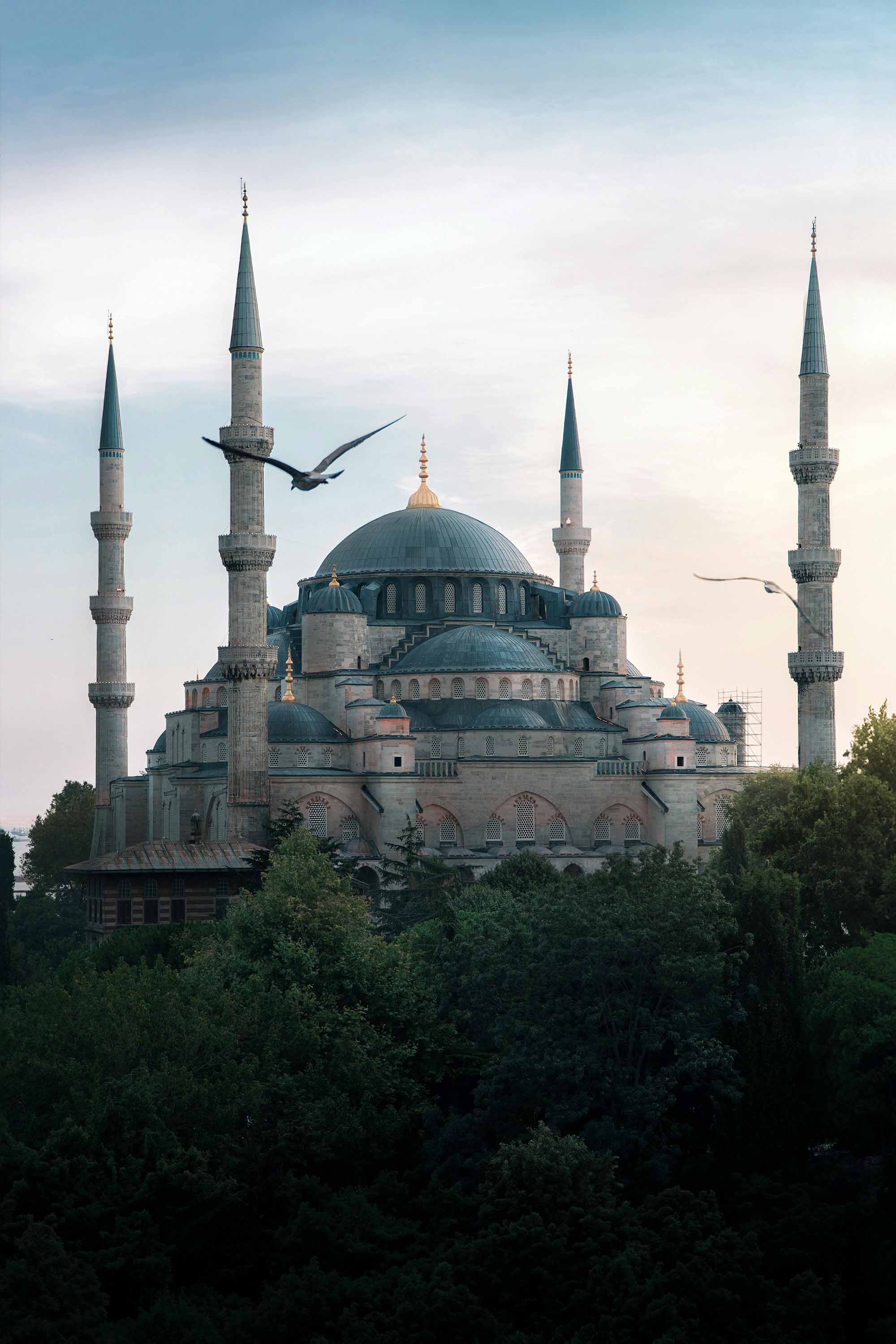
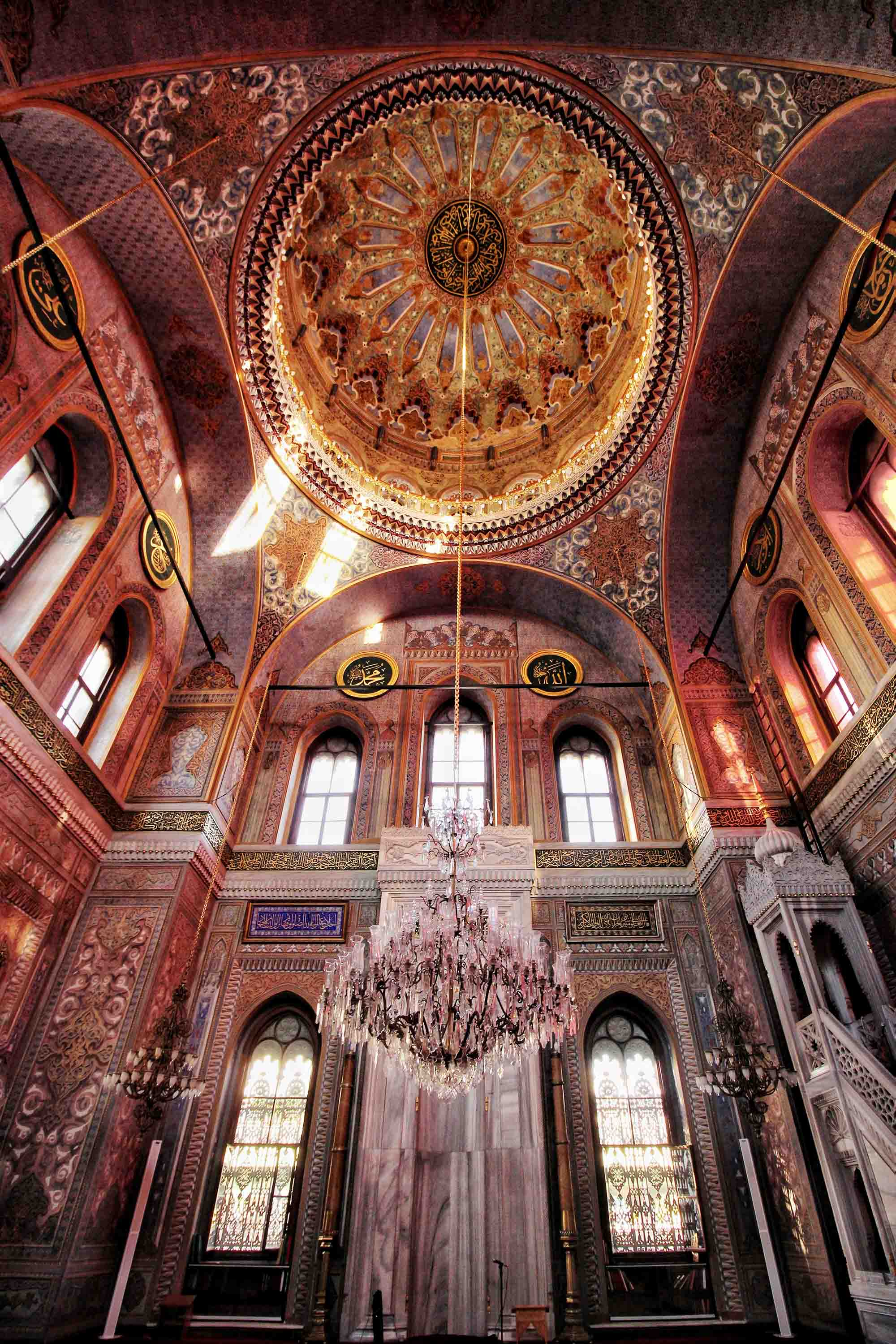
After dropping my bags at the hotel, I headed to Sultanahmet, the historic heart of Istanbul. Here, the ancient and the contemporary balance is so apparent. The Blue Mosque, with its cascading domes and six slender minarets, its intricate blue tiles glistened in the morning light, created a spectacle that was both awe-inspiring and serene. As I entered the mosque, my senses were enraptured. The air is thick with the scent of incense and the echoes of prayer bounce off the intricately decorated, ceramic-tiled walls.
Just a stone's throw away stood the Hagia Sophia, a testament to Istanbul's complex history. This architectural marvel has worn many hats over the centuries, transitioning from a church to a mosque, and now a museum. Its massive dome seemed to defy gravity, hovering above a vast, open space filled with the nods to the past. The mosaics, some of the finest in the world, shimmered with gold and vibrant colors.
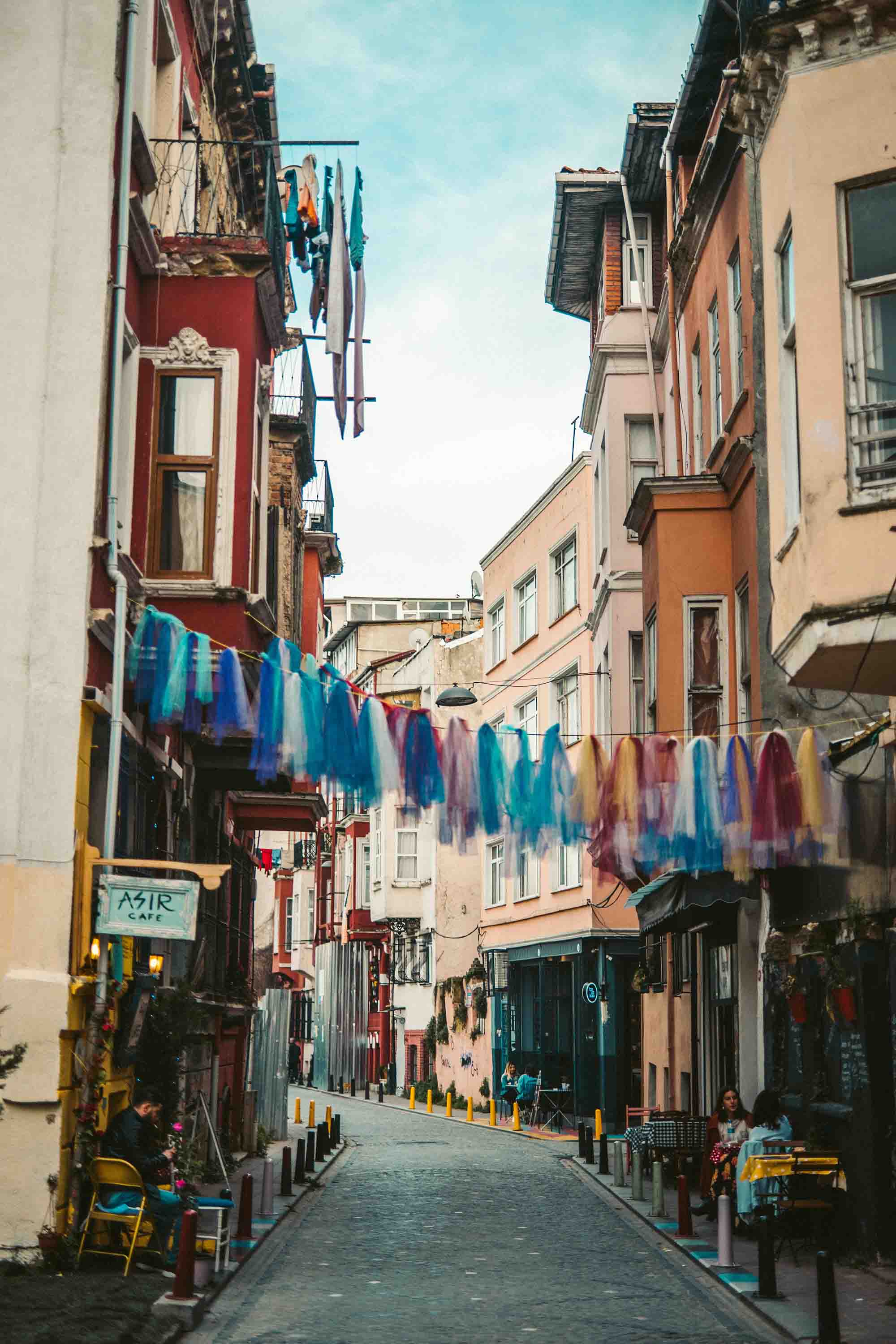
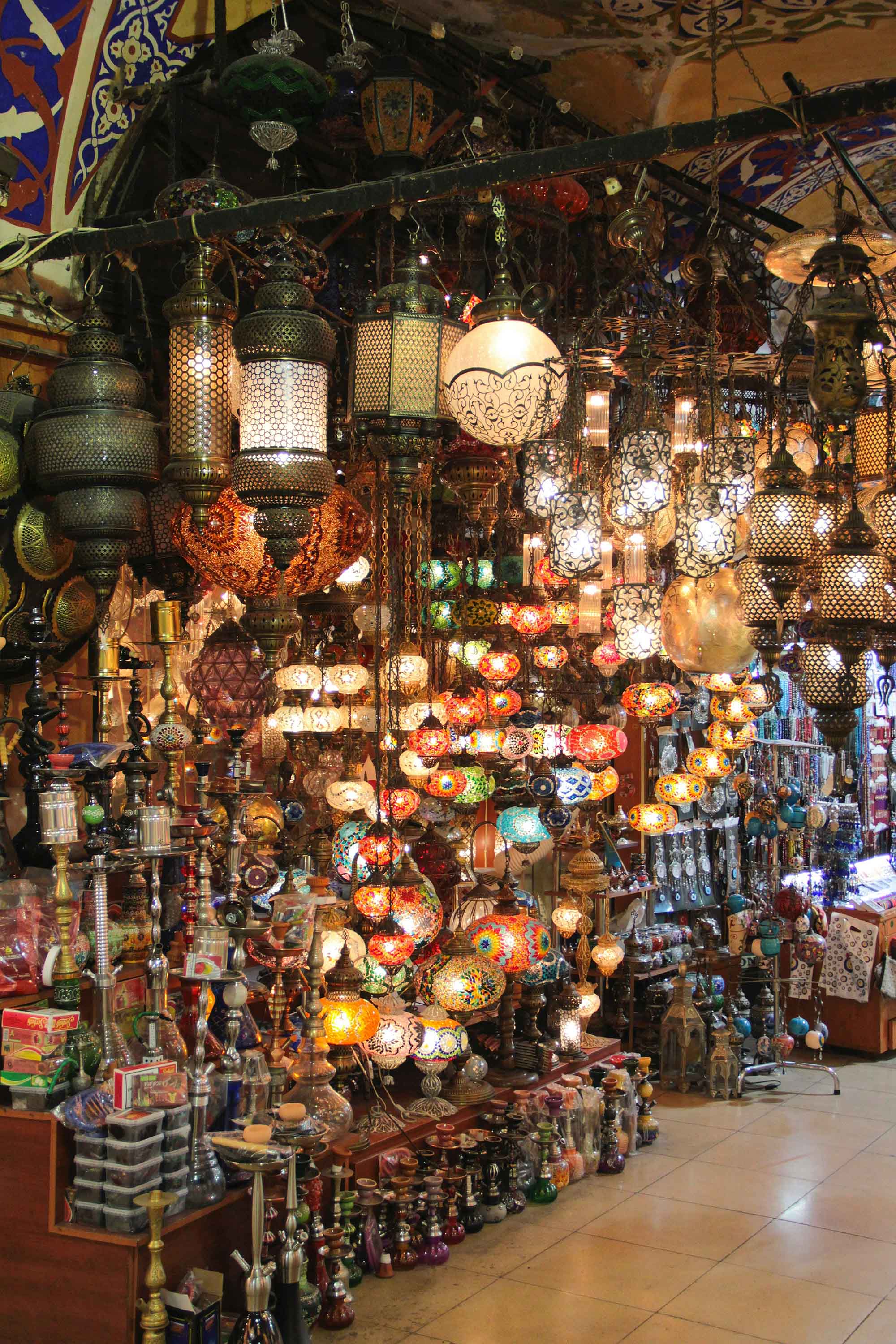
As I wandered through the ancient streets, I found myself drawn to the Grand Bazaar, a labyrinthine network of over four thousand shops that has been the commercial heart of Istanbul for centuries. The bazaar was a sensory overload, a riot of colors, sounds, and smells. Merchants offering their wares with enthusiasm, their voices blending into a cacophony that was both chaotic and harmonious. I weaved through the narrow alleys, marveling at the array of goods on display—handwoven carpets, intricate jewelry, fragrant spices, and vibrant textiles. The air was arresting with the scent of saffron and cumin, of leather and tobacco. I haggled with the vendors, a practice that was both expected and enjoyed, and left with my pockets lighter and my heart fuller.
{gallery}
The Bosphorus Strait, the lifeline of Istanbul, beckoned me next. I boarded a ferry, eager to experience the city from the water. As the boat cut through the turquoise waters, the city unfolded before me in a stunning panorama. On one side was Europe, on the other Asia, the skyline is a juxtaposition of ancient minarets and modern skyscrapers, a visual representation of the city's dual nature. The gentle breeze carried the salty tang of the sea, mingling with the scent of grilled fish from the vendors lining the waterfront.
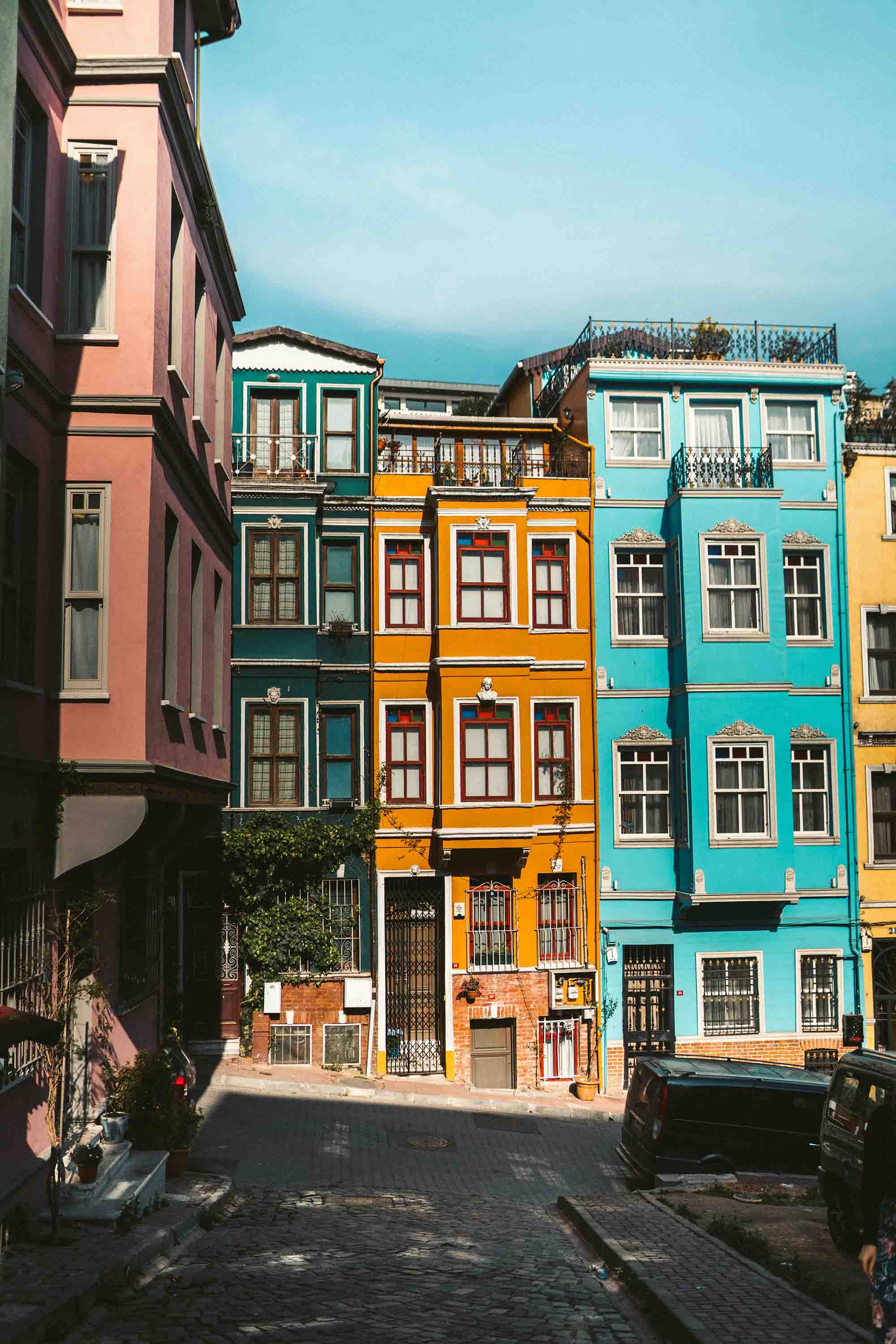
The ferry ride took me to the Asian side of Istanbul. Here, the pace of life is slower, the streets less crowded. I explored Kadıköy, a vibrant neighborhood known for its lively markets and eclectic eateries. The fish market was a bustling hive of activity, with vendors calling out their daily catches and buyers haggling over prices. I sampled balik ekmek, a delicious fish sandwich that was both simple and satisfying, the fresh, flaky fish complemented by a squeeze of lemon and a sprinkle of sumac. By this time, the afternoon sun was beckoning me back to my hotel room.
The next day, on the European side of the city, I made my way to Istiklal Avenue, a bustling thoroughfare that epitomizes the modern spirit of Istanbul. The avenue was a constant stream of people—locals and tourists, young and old—all moving to that rhythm of the city. I stopped at a small café, sipping on a strong Turkish coffee while watching the world go by. The bitter, aromatic brew was a jolt to the senses, like the city itself.
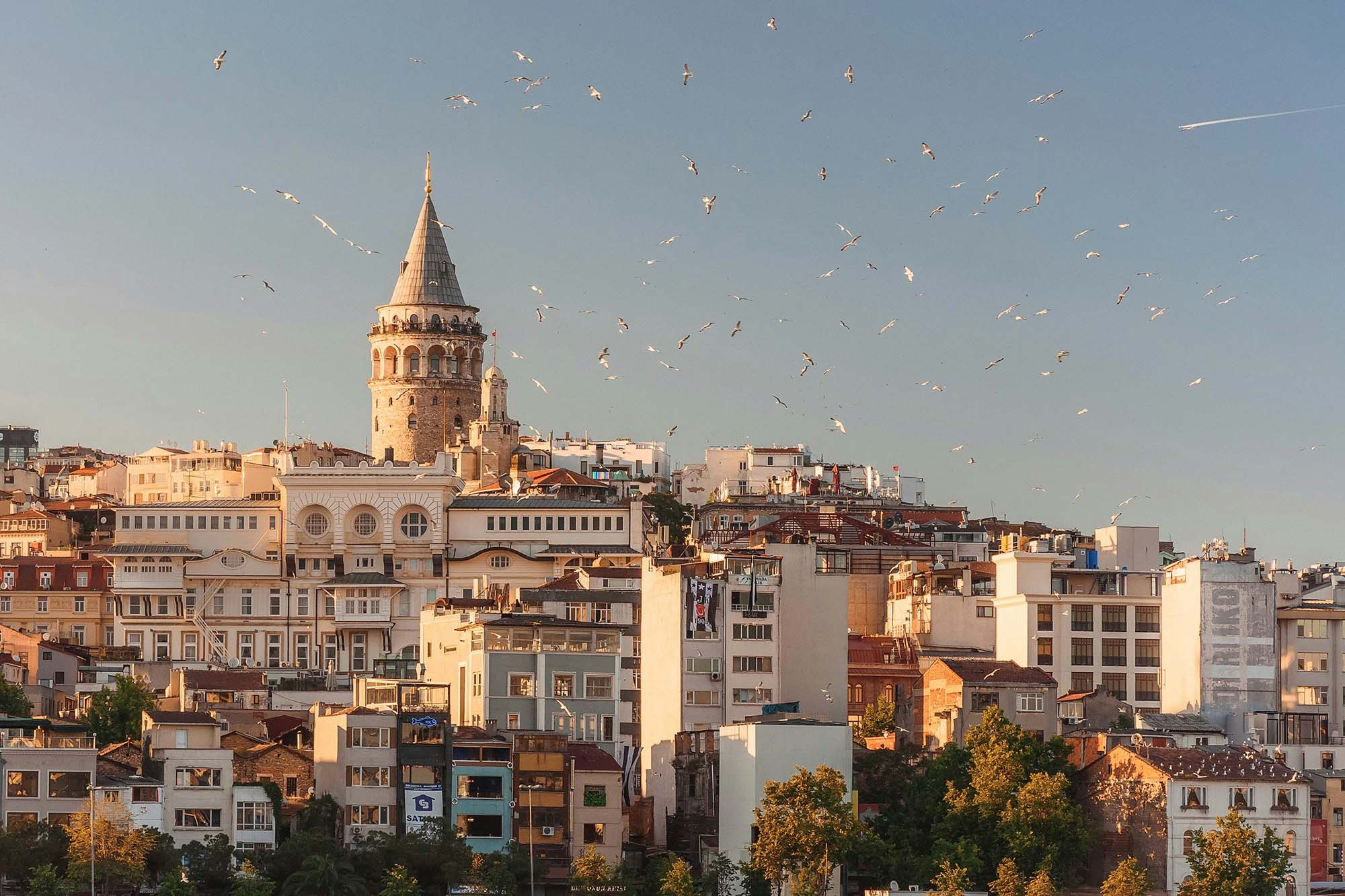
As night fell, Istanbul transformed. The city took on a new energy. The Galata Tower, illuminated against the night sky, served as a beacon. Climbing to the top, I can see the city sprawled out in all directions, a sea of lights twinkling like stars. The Bosphorus glittered in the moonlight, and the silhouette of the Hagia Sophia and Blue Mosque stood out against the horizon.
I ventured into a meyhane, a traditional Turkish tavern, for dinner, where the atmosphere was convivial and the food was plentiful. Mezze, a selection of small dishes, covered the table—hummus, baba ghanoush, stuffed grape leaves, and more. One of my favorite things about places like this is the convivial nature of food, creating community at the end of a day.
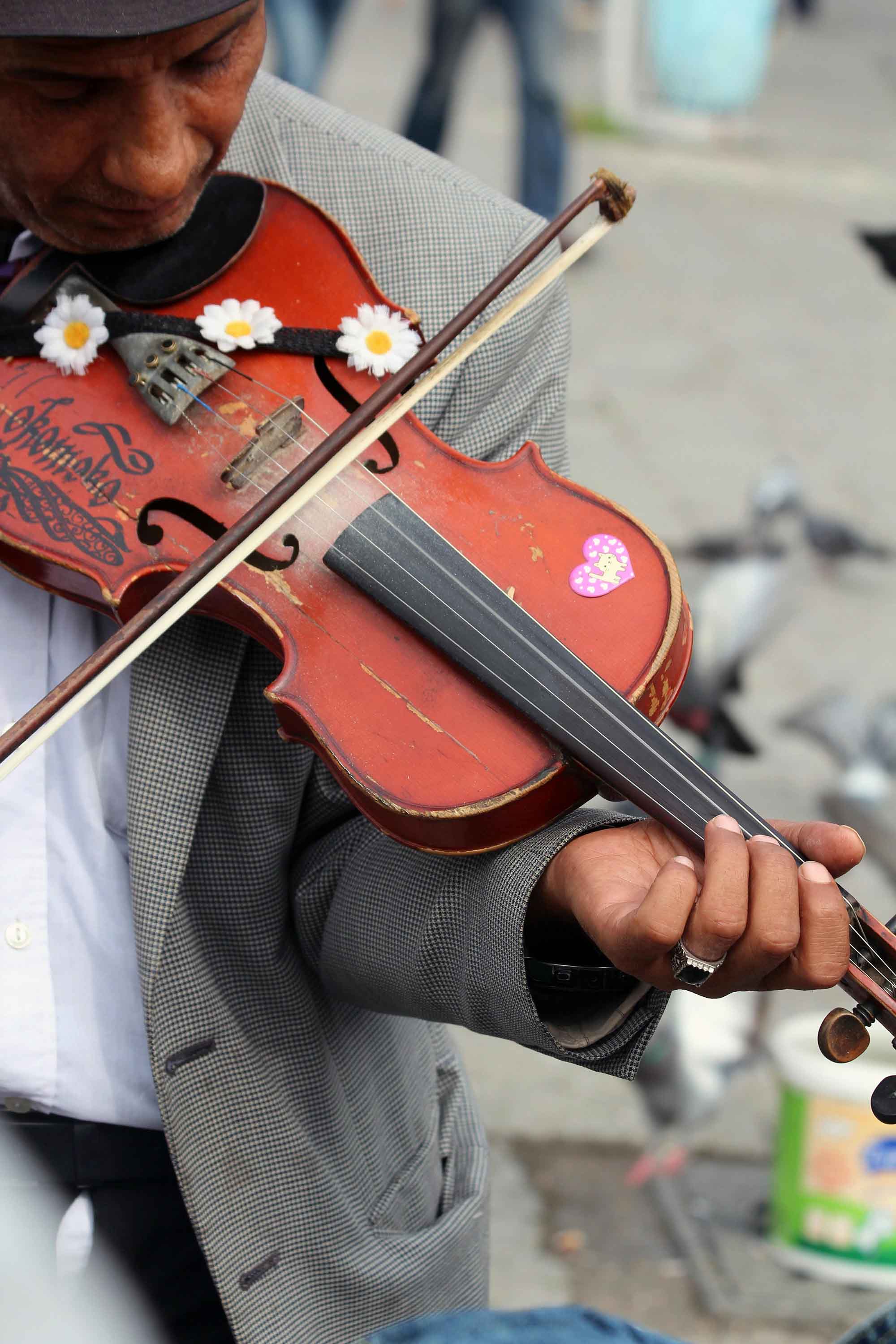
After a bit too much raki, the potent anise-flavored spirit of the region, we transitioned the night to another form of local entertainment. I found myself in a small, dimly lit bar where a group of musicians played traditional Turkish music. The sounds of the oud and the darbuka filled the air, their melodies both haunting and uplifting. The music seemed to capture the essence of Istanbul—complex, soulful, and deeply moving.
As I walked back to my hotel, the city quieting down around me, I reflected once again on my day. Istanbul is a city of contrasts, a place where the old and the new, the East and the West, the spiritual and the secular, coexist in a delicate balance. It is a city that defies easy definition, a place that must be experienced to be understood. Its beauty lies not just in its stunning architecture or its rich history, but in its people, its culture, its very soul. Istanbul is a city that invites you in, wraps you in its embrace, and leaves an indelible mark on your journey.
To another experience,
Kyle