Diary /
Reviews
Date /
October 22, 2025
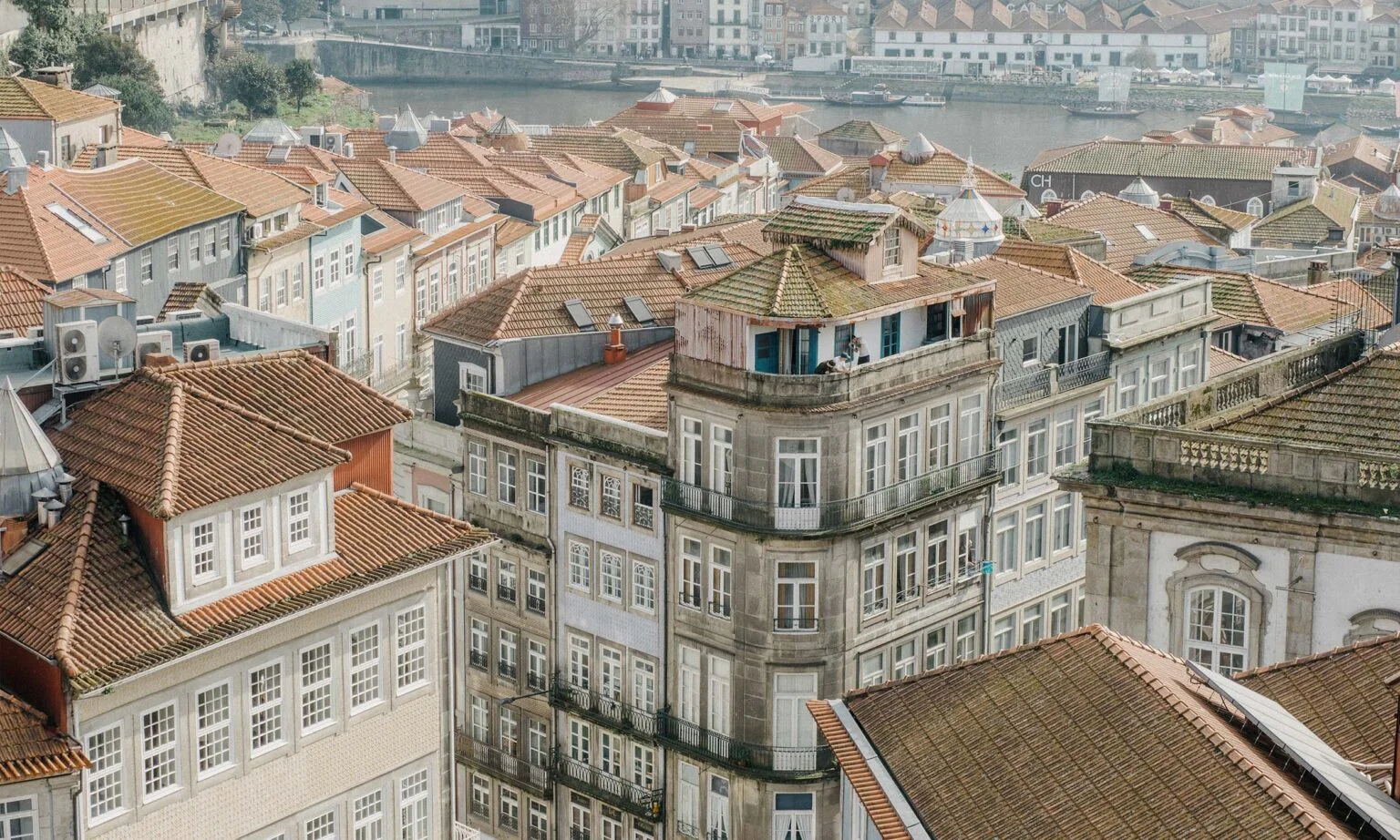

At the end of Rua das Flores, where Porto’s medieval street plan still hums beneath your feet, The Largo reveals itself through a discreet green door and an almost ceremonial sense of calm. It’s a family-crafted, design-forward residence of only eighteen keys stretched across five heritage buildings — intimate, intricate and engineered for immersion in the city’s northern soul.
Arrival through the green door
There’s an alchemy to the entrance. One moment you’re in the swirl of the historic centre; the next, the door closes, the decibels drop and you’re walking a curved stone corridor into a world of granite, soft light and measured hospitality. The property occupies a clutch of townhouses on Largo de São Domingos, within Porto’s UNESCO-inscribed historic core—a setting that lends real gravitas to your check-in and places you steps from the city’s most storied streets, bridges and river views. If UNESCO status matters to you (and for many of us it does), you’re sleeping inside it.
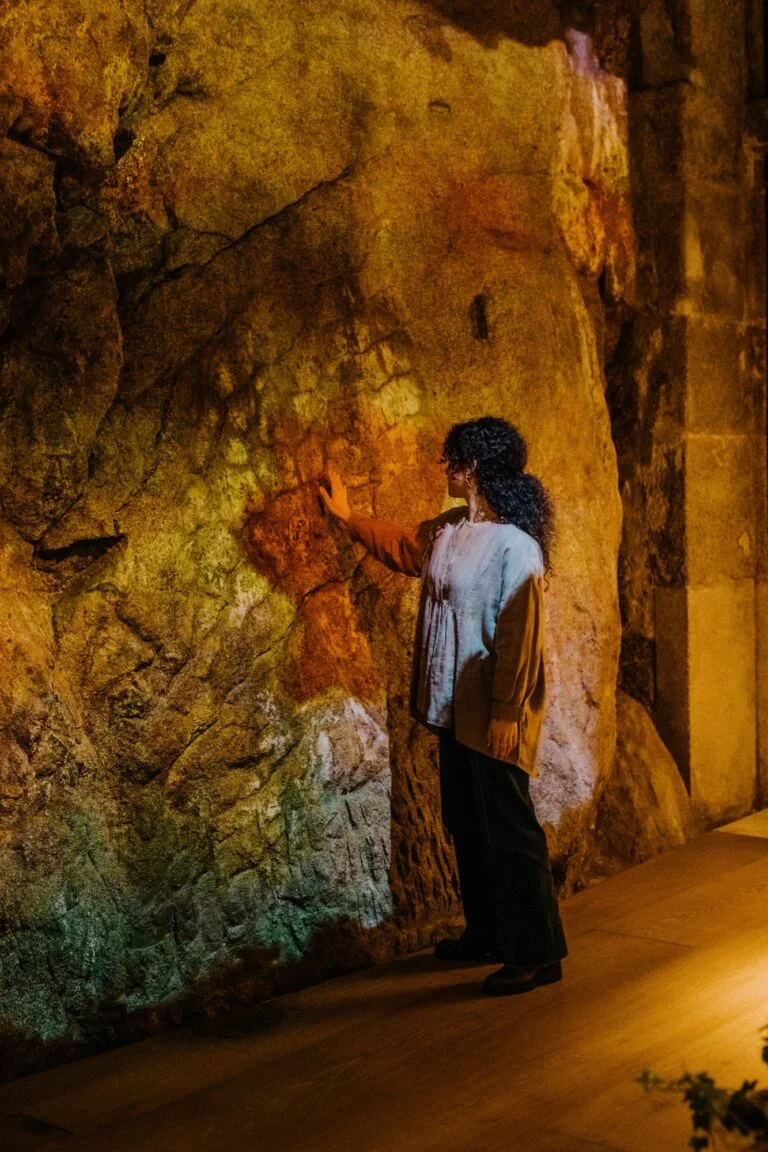
Inside, the design language is persuasive. Granite reappears as structure and art, staircases curl, light spills across old stone and details are abundant and very clearly thought-out. A concealed door in a courtyard wall opens onto a tunnel that doubles as the hotel’s wine cellar, one of the many moments where the building’s intricate floorplan becomes part of the experience rather than just a means to your room.
Common spaces with a point of view
The Largo’s public areas feel like a private residence composed by people who actually live with objects: textures are tactile, the palette is grounded and the flow through salons, bar and terrace makes sense at different times of day. Mornings migrate to the rooftop for breakfast with panoramic views over the city roofs; evenings often pool around the bar or the courtyard, where the hush is punctuated only by glassware and conversation. Up top, a petite heated plunge pool shares the skyline with cathedral spires — a small but potent luxury when Porto glows at dusk.
There’s no spa wing here, and that feels intentional. Instead, the team organizes in-room treatments via trusted partners; wellness is handled with the same understatement as everything else. If you want a proper workout, the gym spans three compact floors with Technogym equipment and 24/7 access — a vertical playground for people who bring discipline on holiday.
{gallery}
Suites that read like chapters
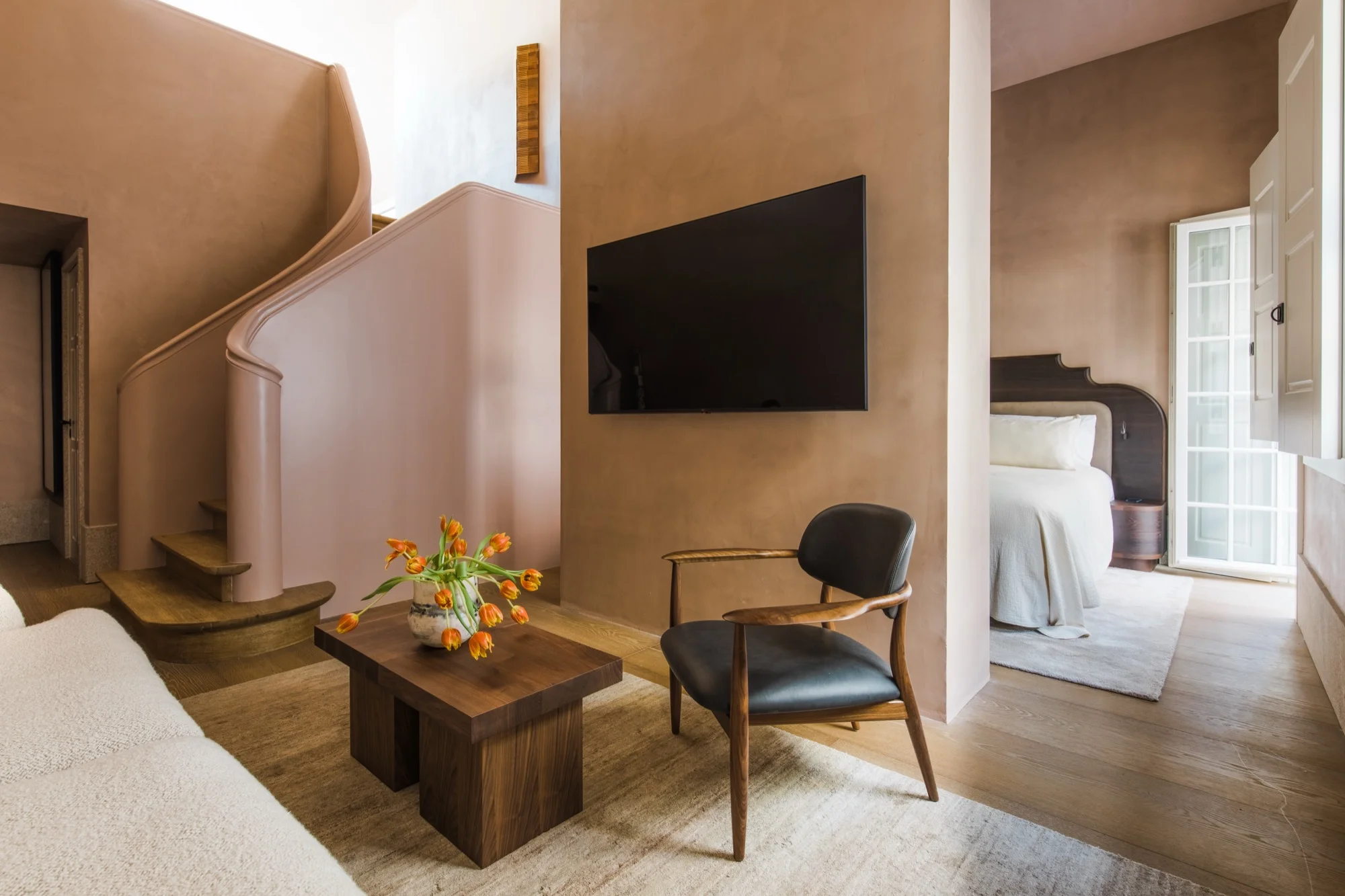
Eighteen keys—sixteen suites and two double rooms—are distributed across five interlinked heritage buildings. The mix is refreshingly literary: each category reads like a chapter in a thoughtful book rather than a standard room matrix. Space is generous, from the surprisingly large doubles to suites that stretch into several rooms, and the mood leans toward cocooning.
The Townhouse Duplex is the city-house fantasy, split over two levels inside original 15th–17th-century bones and crowned by a private terrace with scrolled views over the terracotta jigsaw of Porto’s roofs. Penthouse Duplex Suites pull in light, adding a living area, kitchenette and dining space that make slow mornings dangerously appealing. The Flôr Suite narrows the focus to glow and intimacy, adding a private in-room jacuzzi for a post-saunter soak. Largo Suites balance period ceilings with contemporary comfort and can accommodate a third guest on a sofa bed; Casa Suites feel like handsome apartments facing the square, some interconnecting for families or friends who like proximity without compromise. Jardim Suites look inward to the courtyard and its cascading stone waterfall, each with a private terrace — the hush-seeker’s choice.
Two restaurants and a bar, each with its own register
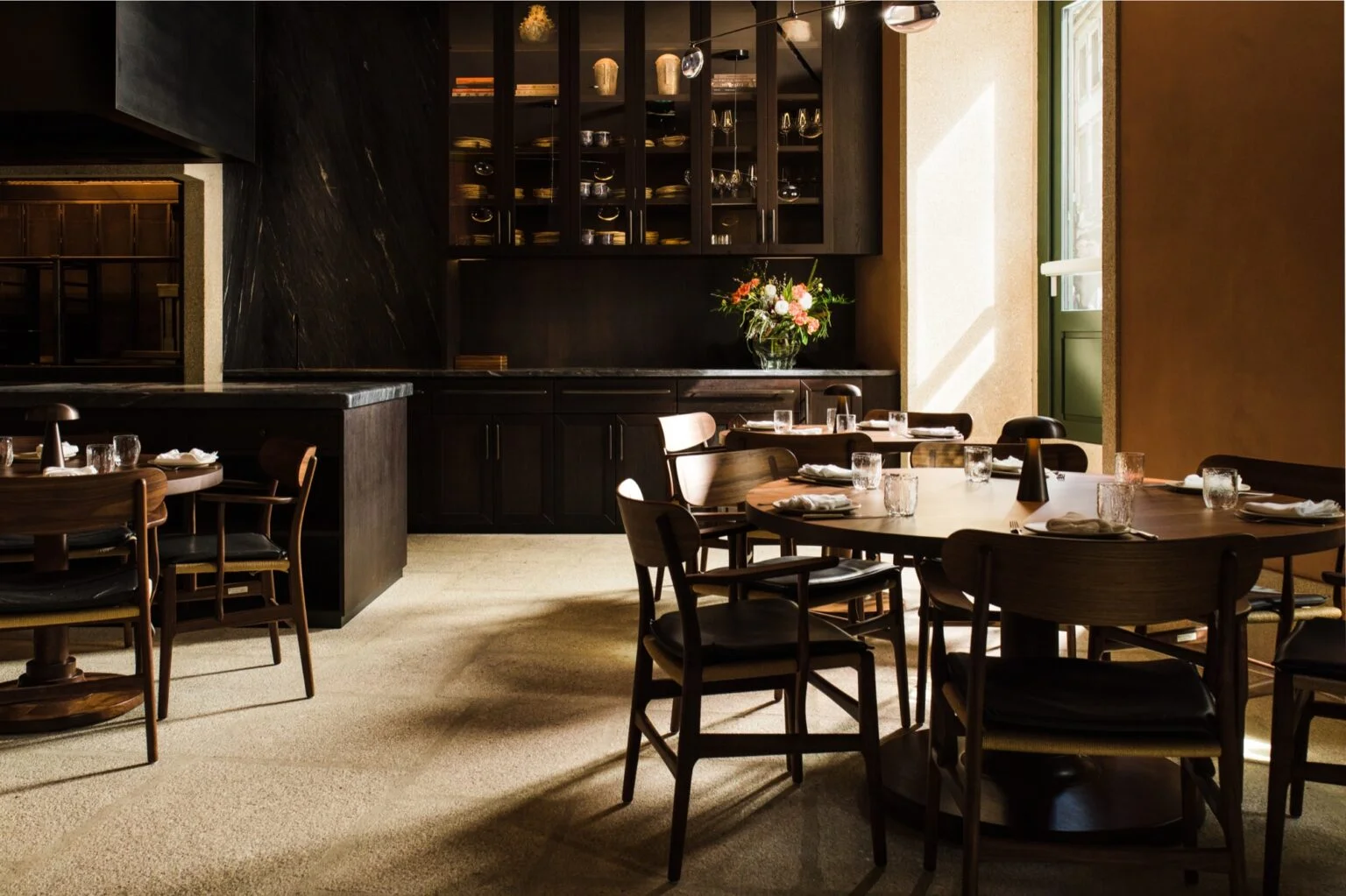
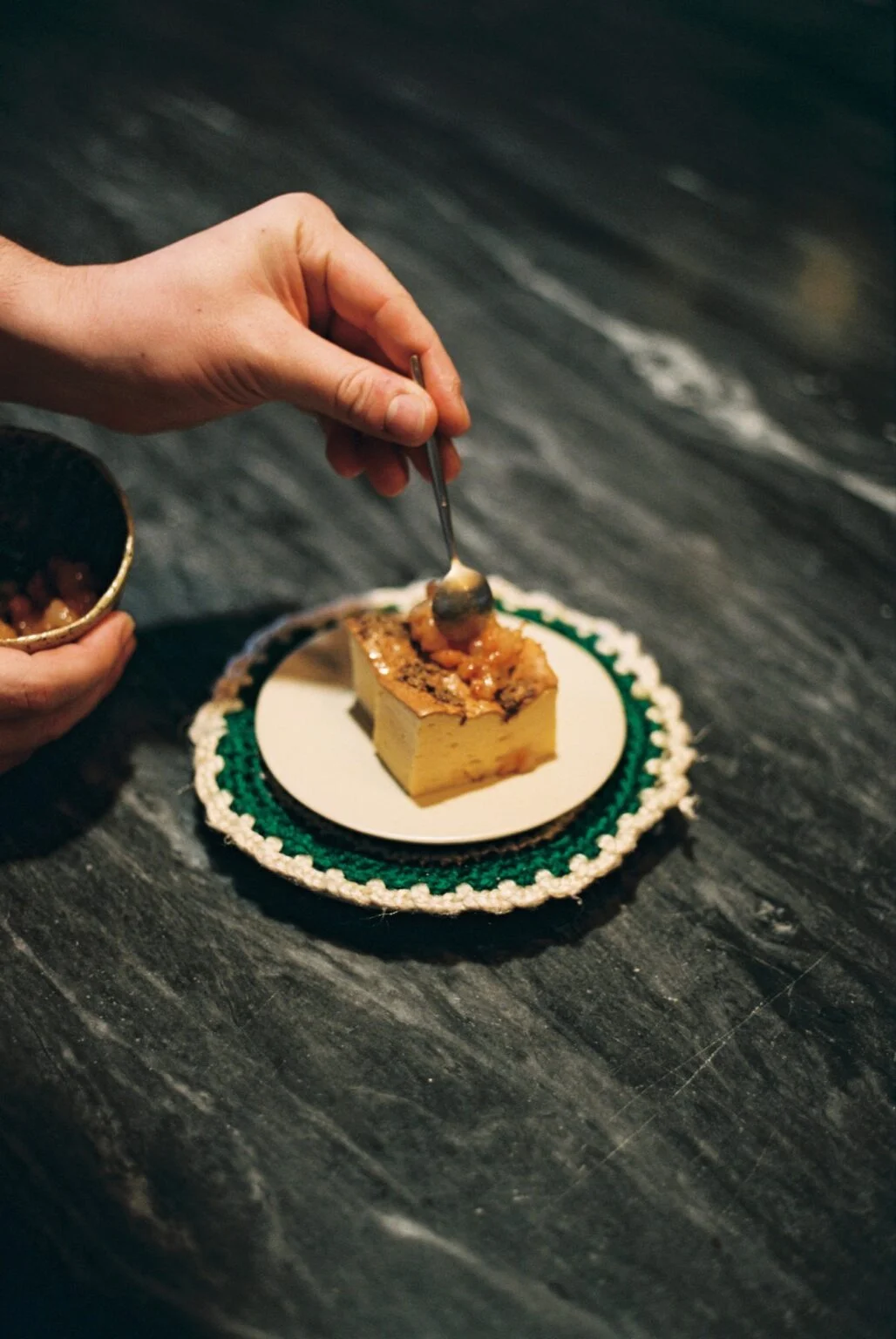
Dining at The Largo is a layered affair shaped by the North of Portugal and steered creatively by chef Nuno Mendes. The street-facing Cozinha das Flores is the headline act: a modern Portuguese restaurant where an open fire is framed by marble and tradition is handled with both respect and playfulness. It’s the sort of room where a dish nods to the region’s memory while tasting unmistakably contemporary—and yes, the spectacle of flame in the open kitchen is part of the pleasure.
Next door, Flôr handles the day’s arc with admirable versatility. Morning means specialty coffee and pastries; afternoons slide into snacks; by evening you’re in the hands of a cocktail team that treats ingredients with the same reverence as a chef. Expect technique—inventive house ferments (like a salted cod infused spirit) and clarifications included—deployed for balance, not bravado. The bar is open to Porto as well as to hotel guests, which keeps the energy local rather than cloistered.
Up on the roof, a guest-only terraço lounge and kitchen hosts breakfast, lingering lunches and private events, with the city’s skyline as both décor and dessert. The space is reserved for house guests and events, so it feels like a club without the membership formalities—especially persuasive at sunset.
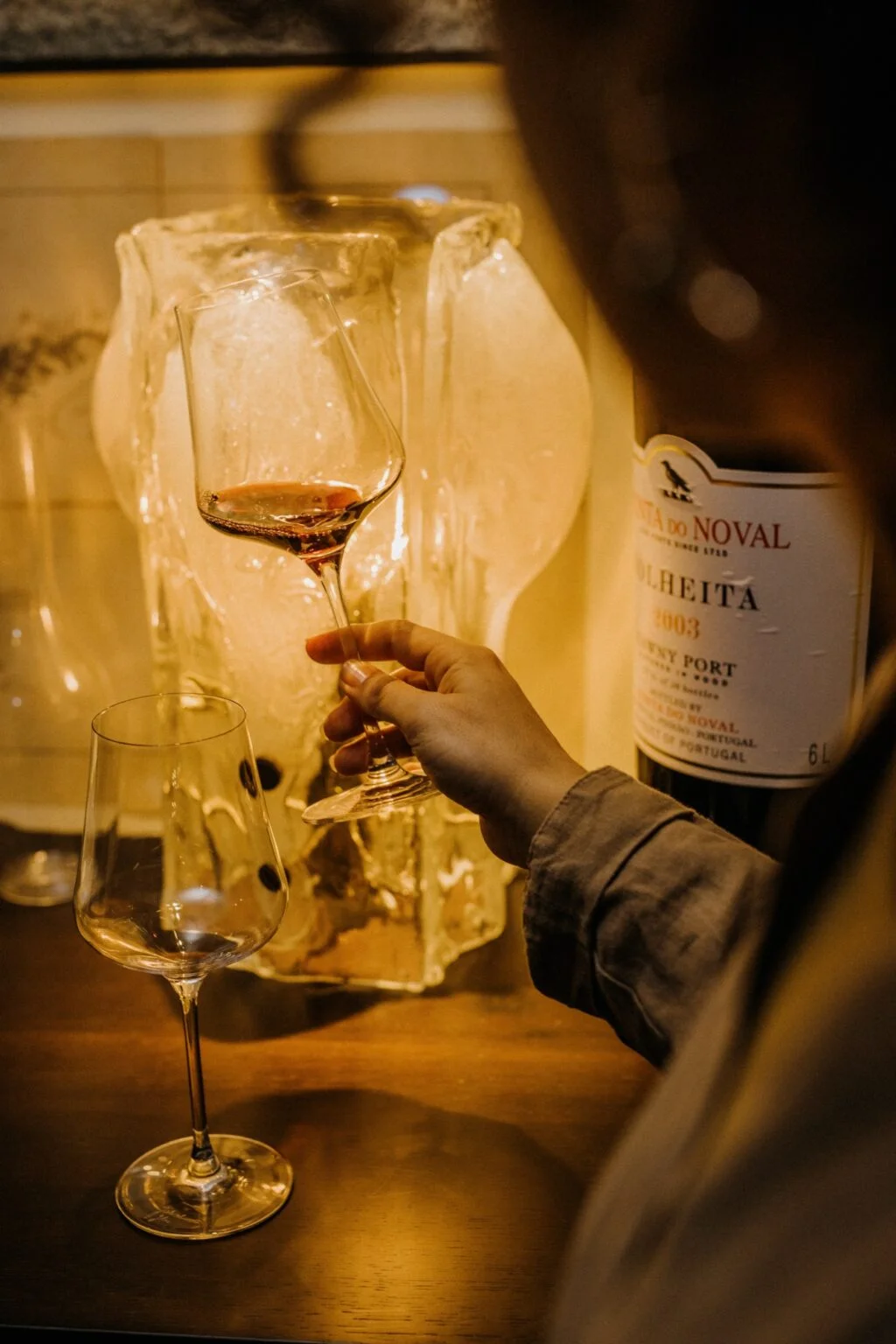
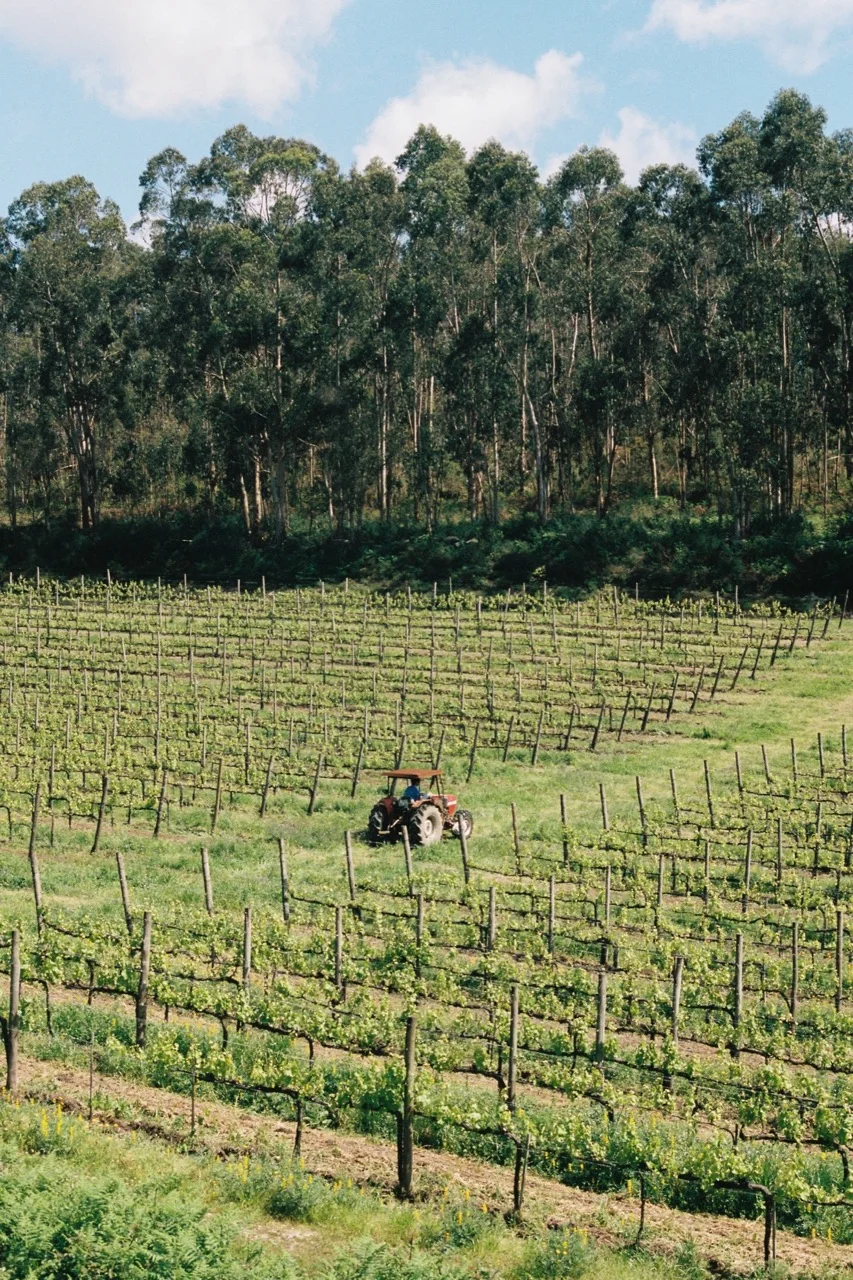
The Largo’s food culture extends into the cellar and out onto the river. The hotel’s wine programme is personal and Portuguese by design, championing small producers and shaped by the team’s own winemaking—a living list that changes as relationships deepen. Tastings are often staged in several locations and informed by the elements of Porto: stone, water, fire and earth, from the rooftop to that secret cellar. It’s convivial, curious and has a way of turning a casual pour into a conversation about soil, families and seasonality.
{gallery2}
Experiences shaped by people, not checklists
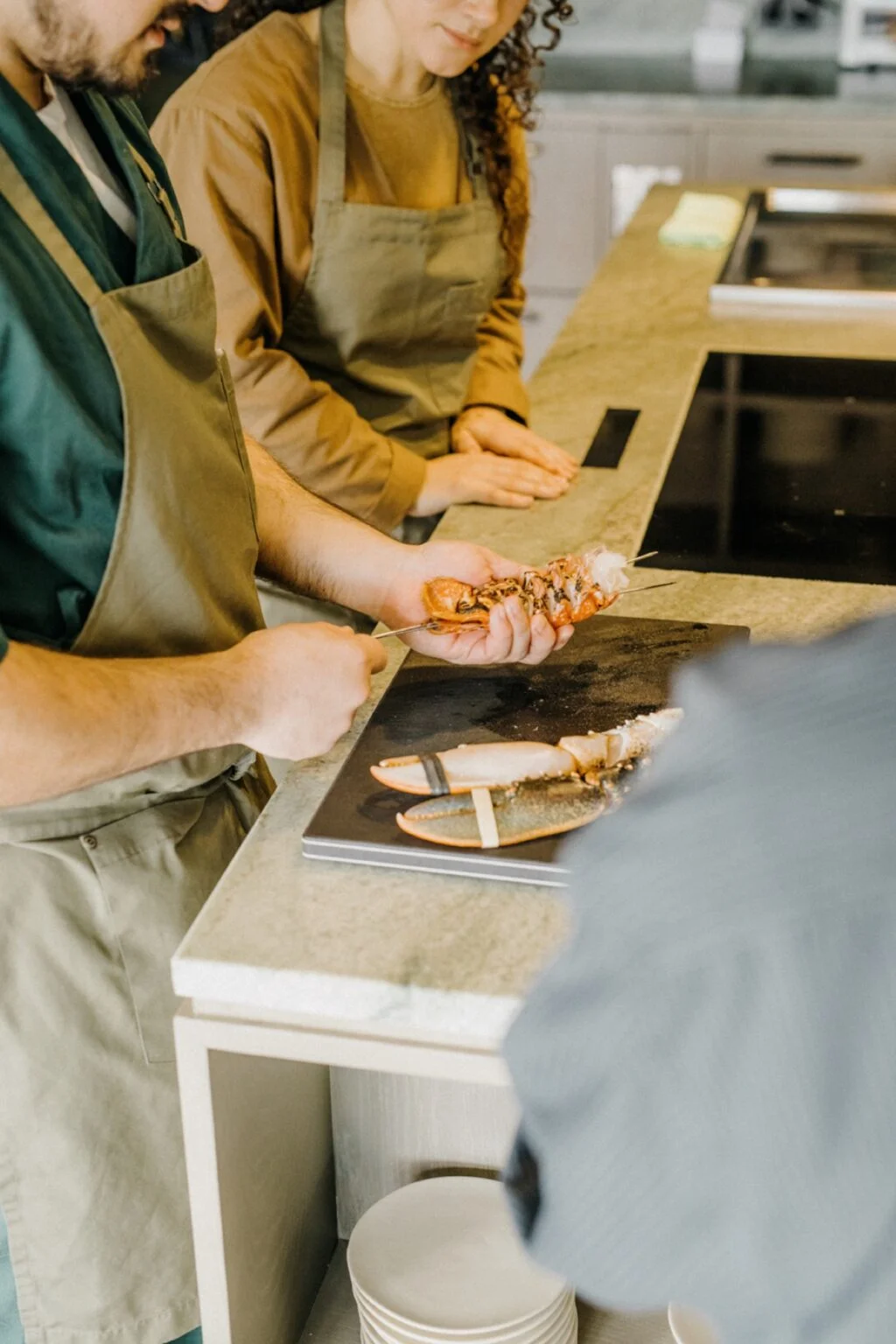
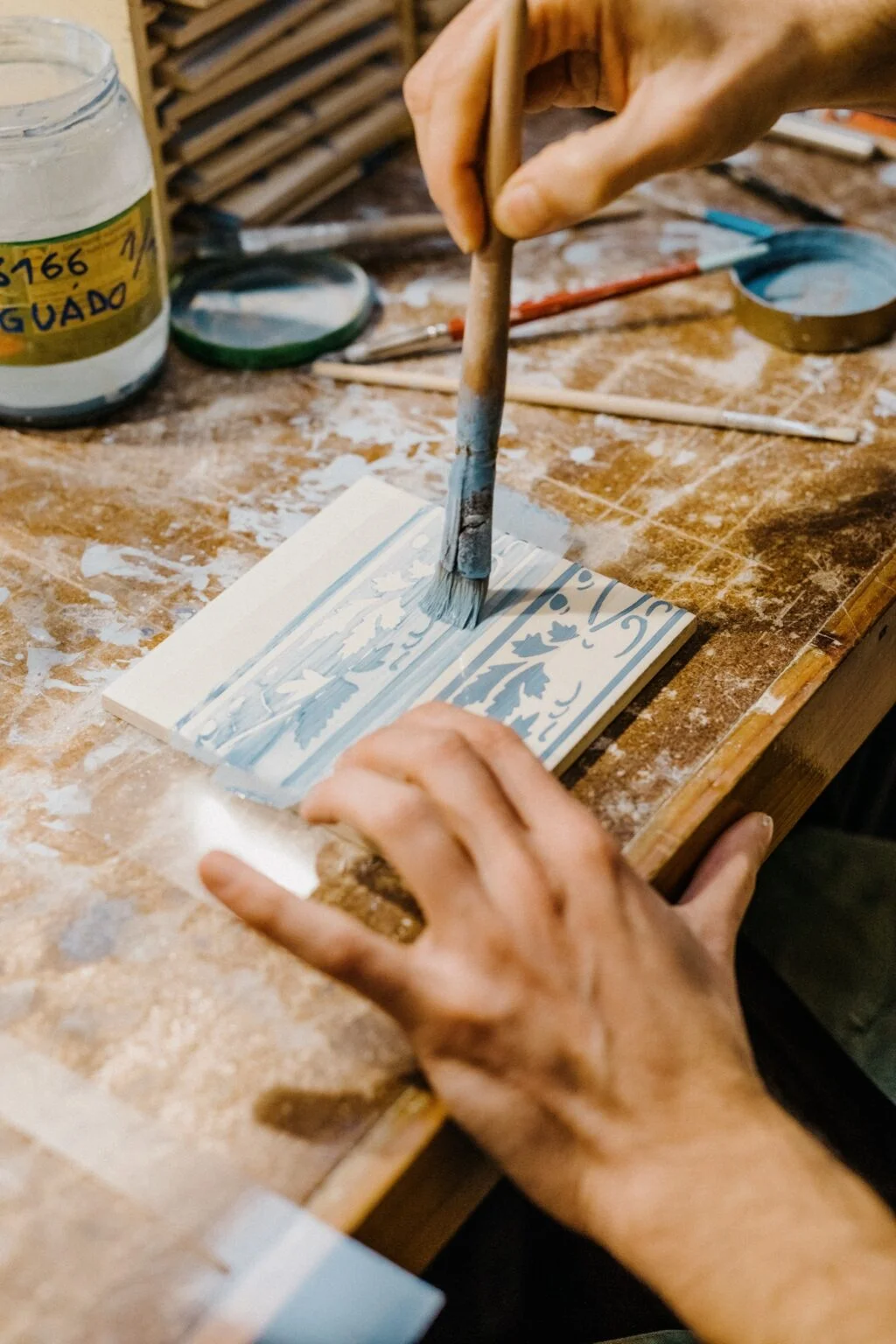
What sets The Largo’s approach apart is how experiences are built. Rather than a pre-fabricated menu, there is a curator’s hand—and often the curator themselves—guiding days toward local encounters that feel natural rather than staged. A favourite begins early at the fish market with the hotel’s chef, selecting the catch that you’ll later prepare together in the open kitchen, a hands-on loop from tide to table. Another invites you to start with coffee, then handle clay with a local ceramicist, creating your own cup after a chat about form and feeling. It’s heritage in action, not in a display case.
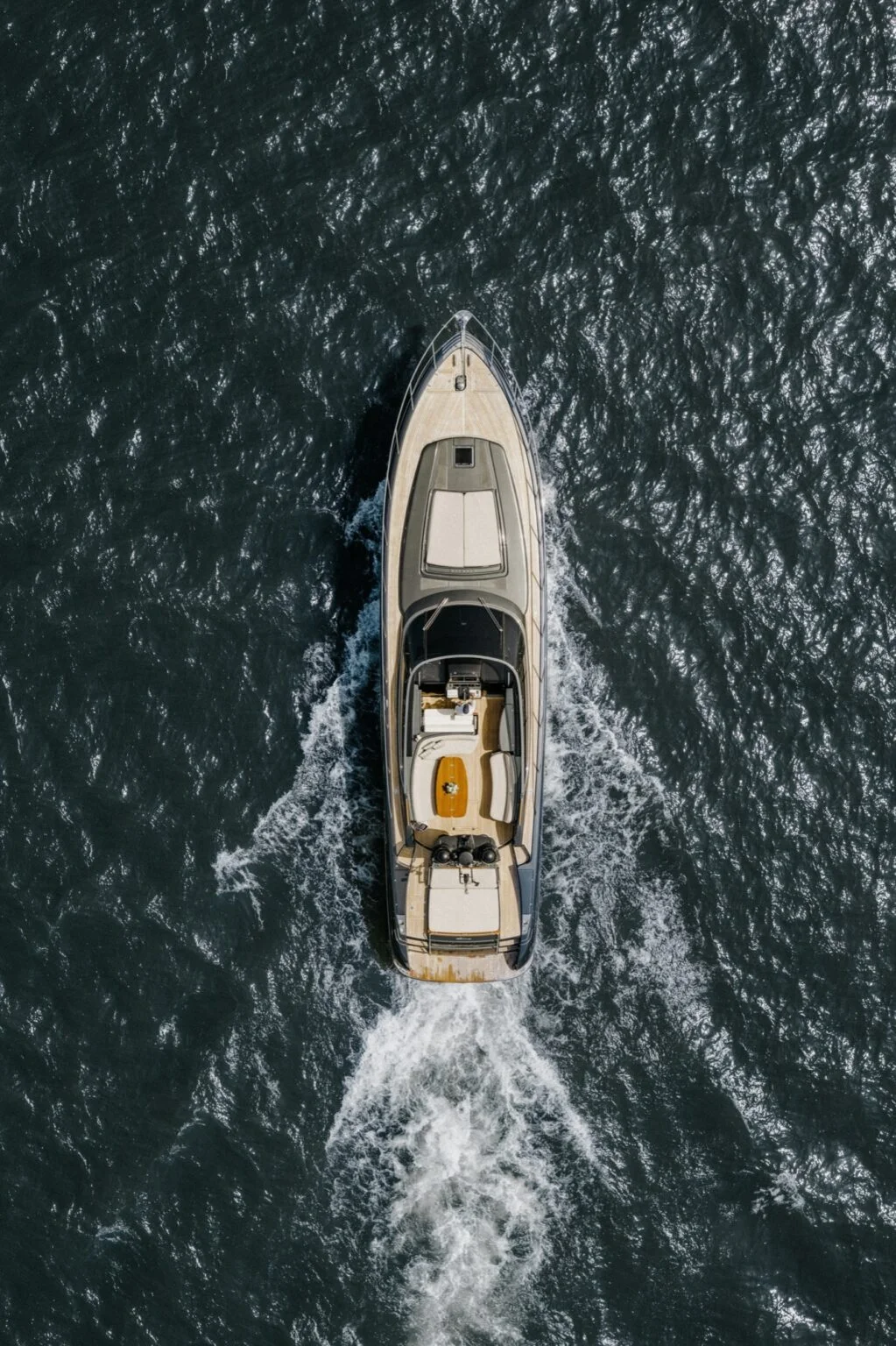
This desire to connect also heads to the water on M/Y Largo, a Riva Virtus yacht that moves between the city’s riverfront and the Douro Valley. The passage through the colossal locks is a memory that insists on retelling, and the onboard hospitality—wines, a casual lunch, the sound of the boat’s movement along the river—is as considered as any dining room. Journeys can be tailored upstream to vineyards or along the coastline, with the crew’s commentary providing context that feels lived rather than lifted from a brochure.
Location: the good kind of center
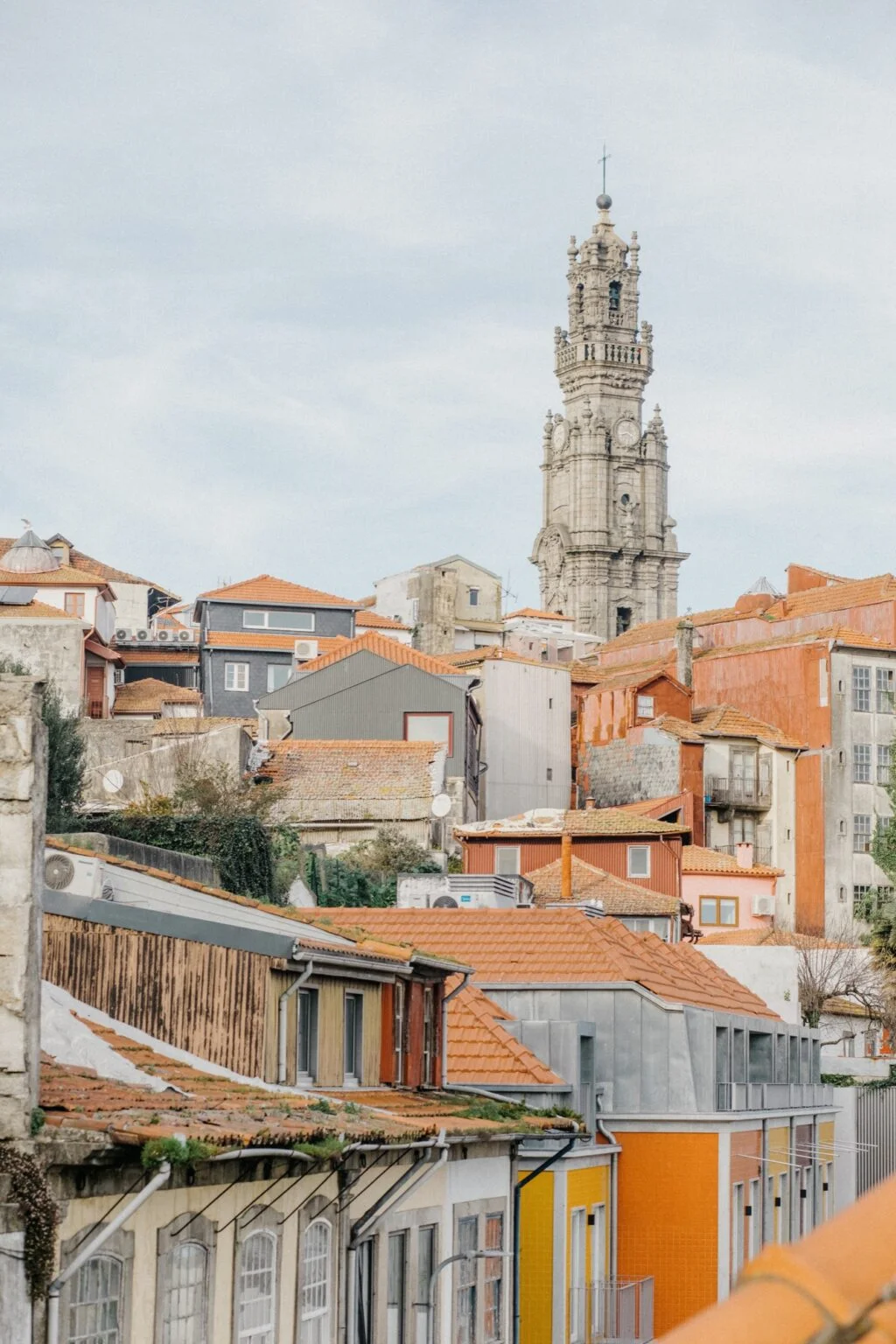
The Largo sits at the corner of Largo de São Domingos, effectively the junction box where several historic neighbourhoods meet and where Rua das Flores, the pedestrian artery of palaces, ateliers and other temptations, resolves into a square. You can step out for azulejo-rich churches, cross the Dom Luís I Bridge toward the cellars in Gaia, or wander lanes that feel like a thousand-year index of the city’s evolution, the very fabric UNESCO recognised in 1996. In practical terms, that means most of Porto’s headliners are an amble away, and your return route ends with that blessed door and its welcome silence.
How to do The Largo, properly
Give yourself three nights if you can. Porto rewards unhurried days, and The Largo is at its best when you let its rhythms take over. Start with breakfast on the roof, it’s hard to argue with a panorama first thing, then let the team arrange a morning with a walking tour, or at the fish market or a ceramics session, those conversations that tether your day to people rather than to a map. Save at least one evening for Cozinha das Flores; another for Flôr’s cocktails and bar snacks; and, if the calendar plays nice, carve out an afternoon for the yacht. Your suitcase will forgive you for the extra bottle you slip inside after a tasting; the sommelier’s enthusiasm tends to be contagious.
{gallery3}
The verdict
The Largo is one of those welcome contradictions: a hideaway that lives in the middle of things, a design project that never forgets to be hospitable, a small hotel with a very large idea of what connection can look like. It’s a place where a rooftop breakfast can segue into a lock-rising river passage, where a cocktail might taste faintly of the ocean because someone in the bar has been experimenting with umami, and where a quiet courtyard wall opens to a cellar that feels like a secret you’ve been allowed to keep. Porto is going through a cultural renaissance and The Largo fits the moment without chasing it.